Introduction
The healthcare sector is undergoing a profound digital transformation, driven by the convergence of artificial intelligence (AI), data-intensive applications, and cloud-based platforms. Electronic health records (EHRs), genomic sequencing, AI-powered diagnostic tools, telemedicine, and predictive analytics all rely heavily on databases that must handle massive volumes of structured and unstructured data.
While these innovations hold the promise of saving lives, reducing costs, and improving patient outcomes, they also introduce unprecedented challenges for IT teams. The healthcare industry faces stringent compliance requirements such as HIPAA and GDPR, escalating cloud infrastructure costs, and the complexity of managing diverse databases across hybrid and multi-cloud environments.
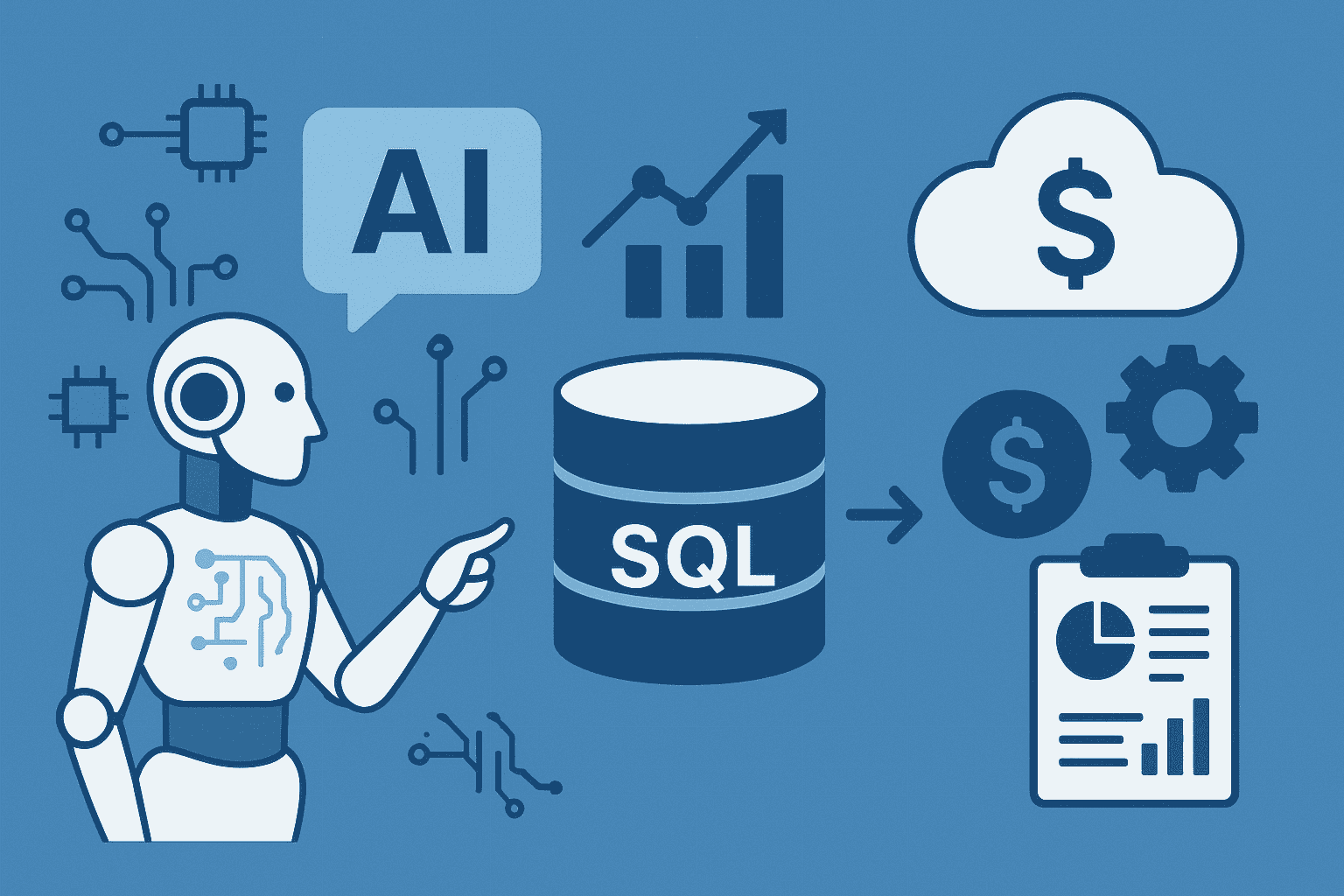
This is where Enteros UpBeat, a patented AI-powered database performance management and cost attribution platform, becomes a game-changer. By combining AI-driven database optimization with granular cost attribution mechanisms, Enteros enables healthcare organizations to maximize performance, ensure compliance, and achieve full transparency into their IT and cloud financial operations.
In this blog, we will explore:
-
The importance of database performance in modern healthcare.
-
Why cost attribution is a key driver of financial and operational efficiency.
-
How Enteros leverages AI for database optimization and cost transparency.
-
Use cases and benefits for healthcare organizations.
-
Best practices for deploying AI-driven database and FinOps strategies.
Finally, we’ll answer frequently asked questions about Enteros and its role in healthcare IT transformation.
The Role of Database Performance in Modern Healthcare
Healthcare data is exploding in scale and complexity. According to industry reports, healthcare data is expected to grow at 36% CAGR through 2025, faster than any other sector. Databases must handle:
-
Patient records: Millions of transactions daily across hospitals, labs, and insurance providers.
-
Clinical trial data: Massive datasets involving longitudinal patient histories and trial outcomes.
-
Medical imaging: X-rays, MRIs, and CT scans create large unstructured data files.
-
Genomic data: Requires high-performance computing and advanced database optimization.
-
AI-driven diagnostics: Real-time inference models that demand low-latency databases.
If databases underperform, healthcare organizations face longer wait times, inaccurate diagnoses, compliance violations, and even patient safety risks. For example, a delay in accessing critical patient records could lead to misdiagnosis or delayed treatment.
Why Cost Attribution Matters in Healthcare IT
While performance is essential, cost attribution is equally critical. Cloud adoption in healthcare has skyrocketed, with providers shifting workloads to AWS, Azure, and Google Cloud. However, cloud billing is notoriously complex, with costs spread across compute, storage, network usage, and managed services.
Without proper cost attribution, IT leaders struggle with:
-
Shared Cost Allocation: How to fairly distribute costs across departments (e.g., cardiology vs. oncology) when multiple units share infrastructure.
-
Unblended Rates Confusion: Understanding the true cost per database instance when pricing fluctuates due to spot instances, reservations, or pay-as-you-go models.
-
Budget Overruns: Cloud bills frequently exceed forecasts because of hidden costs, such as excessive storage or inefficient query execution.
-
Compliance Risks: Inefficient attribution of IT resources could indirectly lead to compliance penalties if funds meant for regulated workloads are misallocated.
Enteros solves this challenge by delivering granular, AI-driven cost attribution tied directly to database usage, performance metrics, and workload behaviors.
How Enteros Enhances Healthcare with AI-Driven Database Performance and Cost Attribution
1. AI-Powered Database Optimization
Enteros uses machine learning algorithms to monitor database workloads across SQL, NoSQL, cloud-native, and on-premise systems. It automatically detects anomalies, identifies performance bottlenecks, and recommends query tuning, index optimization, and resource scaling.
-
Example: A hospital running multiple EHR systems can reduce query response times from seconds to milliseconds, improving physician decision-making at the point of care.
2. Granular Cost Attribution
The platform attributes cloud and database costs down to:
-
Department level (e.g., radiology vs. pathology).
-
Application level (telehealth platform vs. patient billing system).
-
Workload level (AI-driven diagnostics vs. administrative reporting).
This level of visibility helps CFOs and RevOps teams accurately budget, forecast, and enforce accountability.
3. Cloud FinOps Integration
Enteros is FinOps-ready, integrating with AWS Cost Explorer, Azure Cost Management, and GCP Billing. It provides unified dashboards that combine performance KPIs with financial metrics, bridging the gap between IT and finance.
4. Regulatory Compliance Support
By ensuring efficient resource allocation and performance management, Enteros helps healthcare organizations meet regulatory mandates around data privacy, retention, and auditability.
5. RevOps Efficiency
Revenue operations (RevOps) in healthcare rely on accurate billing, faster claims processing, and optimized IT costs. Enteros aligns IT performance with financial efficiency, ensuring that investments in AI and digital transformation translate directly to improved revenue outcomes.
Key Benefits for the Healthcare Sector
-
Improved Patient Care
Faster database performance means real-time access to critical data, enabling quicker diagnoses and treatments. -
Financial Transparency
With cost attribution, every department knows exactly how much they’re spending on IT resources, driving accountability. -
Compliance Confidence
Automated performance monitoring reduces the risk of HIPAA/GDPR violations. -
Reduced IT Costs
Cloud resources are optimized, eliminating waste from over-provisioned compute or inefficient queries. -
Accelerated Research
Clinical trials and AI model training benefit from high-performing, cost-optimized databases.
Use Case Example
Scenario: A large healthcare network with multiple hospitals and research labs is running workloads across Azure SQL, MongoDB Atlas, and on-prem Oracle databases. Costs are skyrocketing due to inefficient query execution and shared cloud resources that are not properly allocated.
With Enteros:
-
AI identifies performance issues, reducing database response times by 40%.
-
Cost attribution shows oncology research consuming 25% of database resources, enabling fair cost allocation.
-
RevOps teams gain transparency, ensuring insurance claims processing aligns with IT cost efficiency.
The result: better patient outcomes, reduced IT spend, and improved compliance confidence.
Best Practices for Healthcare Organizations
-
Adopt AI-Powered Performance Monitoring: Move beyond reactive database monitoring to proactive AI-driven optimization.
-
Implement Cost Attribution from Day One: Tie every IT expense to a department, workload, or project.
-
Integrate FinOps and RevOps: Align IT, finance, and operations teams to maximize ROI from digital transformation.
-
Leverage Hybrid-Cloud Observability: Monitor performance across both on-prem and cloud systems to ensure consistency.
-
Ensure Continuous Compliance: Use Enteros dashboards to track compliance-related performance metrics.
Conclusion
Healthcare organizations face a dual challenge: delivering life-saving digital innovations while controlling costs and maintaining compliance. With Enteros, they gain an AI-powered platform that not only enhances database performance but also delivers granular cost attribution to maximize financial efficiency.
By bridging the gap between IT operations, FinOps, and RevOps, Enteros empowers healthcare providers to deliver better patient outcomes, transparent cost structures, and a sustainable digital future.
Frequently Asked Questions (FAQ)
Q1. What is cost attribution, and why is it important in healthcare IT?
Cost attribution ensures that every IT expense (compute, storage, databases) is assigned to the correct department, project, or workload. In healthcare, this promotes fairness, accountability, and compliance with financial reporting.
Q2. How does Enteros improve database performance?
Enteros uses AI and machine learning to detect performance bottlenecks, optimize queries, scale resources dynamically, and ensure databases run at peak efficiency.
Q3. Can Enteros integrate with existing healthcare databases?
Yes. Enteros supports a wide range of SQL, NoSQL, and cloud-native databases including Oracle, SQL Server, MongoDB, PostgreSQL, MySQL, AWS RDS, and Azure SQL.
Q4. How does Enteros support compliance requirements like HIPAA?
By optimizing database performance and ensuring secure, auditable cost attribution, Enteros helps healthcare providers maintain compliance with HIPAA, GDPR, and other regulatory mandates.
Q5. How does cost attribution benefit RevOps in healthcare?
RevOps relies on accurate cost and performance data to streamline billing, improve claims processing, and align IT investments with revenue growth. Cost attribution ensures transparency and efficiency across the revenue cycle.
Q6. Is Enteros only for large healthcare organizations?
No. While large hospitals and research networks benefit greatly, smaller clinics, labs, and specialized care centers can also leverage Enteros to optimize IT costs and performance.
Q7. Can Enteros help with AI-driven healthcare applications?
Absolutely. Enteros optimizes databases used in AI-driven diagnostics, predictive analytics, and research, ensuring real-time performance and cost efficiency.
The views expressed on this blog are those of the author and do not necessarily reflect the opinions of Enteros Inc. This blog may contain links to the content of third-party sites. By providing such links, Enteros Inc. does not adopt, guarantee, approve, or endorse the information, views, or products available on such sites.
Are you interested in writing for Enteros’ Blog? Please send us a pitch!
RELATED POSTS
What Are the Biggest Database Performance Challenges Facing Modern Banks?
- 4 September 2026
- Database Performance Management
Modern banks face serious database performance challenges in banking, including transaction bottlenecks, growing data volumes, slow queries, legacy infrastructure, cloud complexity, security requirements, scalability problems, and limited real-time visibility. These issues can delay payments, affect digital banking experiences, increase operational risk, and raise infrastructure costs. Effective database monitoring and optimization help banks maintain reliable, responsive … Continue reading “What Are the Biggest Database Performance Challenges Facing Modern Banks?”
How Can Banks Improve Database Performance for High-Volume Financial Transactions?
Banks can improve database performance for high-volume financial transactions by reducing query latency, optimizing indexes, balancing workloads, monitoring database behavior in real time, and identifying bottlenecks before they affect customers. A strong bank database performance strategy combines observability, capacity planning, automation, and intelligent database performance optimization to keep payment, trading, lending, and digital banking systems … Continue reading “How Can Banks Improve Database Performance for High-Volume Financial Transactions?”
What Are the Most Common Database Performance Issues in Healthcare IT Systems?
The most common database performance issues in healthcare include slow SQL queries, poor indexing, locking, blocking, high concurrency, storage latency, resource contention, execution-plan changes, database growth, and workload spikes. EHR database performance issues can slow clinical workflows and patient-facing systems. Enteros helps healthcare IT teams detect anomalies, investigate root causes, optimize SQL, and improve database … Continue reading “What Are the Most Common Database Performance Issues in Healthcare IT Systems?”
How Can Hospitals Improve Database Performance for Faster EHR and Clinical Workflows?
Improving hospital database performance requires continuous monitoring, SQL optimization, indexing, workload analysis, anomaly detection, root cause analysis, and proactive capacity planning. Hospitals should also track latency, locking, storage I/O, and resource utilization across EHR and clinical systems. Enteros helps healthcare IT teams use AI-powered observability and performance intelligence to improve reliability, responsiveness, scalability, and healthcare … Continue reading “How Can Hospitals Improve Database Performance for Faster EHR and Clinical Workflows?”