Introduction
The healthcare industry is experiencing a digital revolution. Telemedicine appointments, AI-powered diagnostics, and wearable health trackers are no longer futuristic ideas — they are everyday realities. But behind this rapid innovation lies a less visible challenge: the massive strain placed on healthcare databases.
As the volume, velocity, and variety of medical data continue to explode, many healthcare systems risk delays, inefficiencies, and even critical lapses in patient care. This article explores how the future of health depends on scalable, high-performance databases — and what leaders must do to prepare.
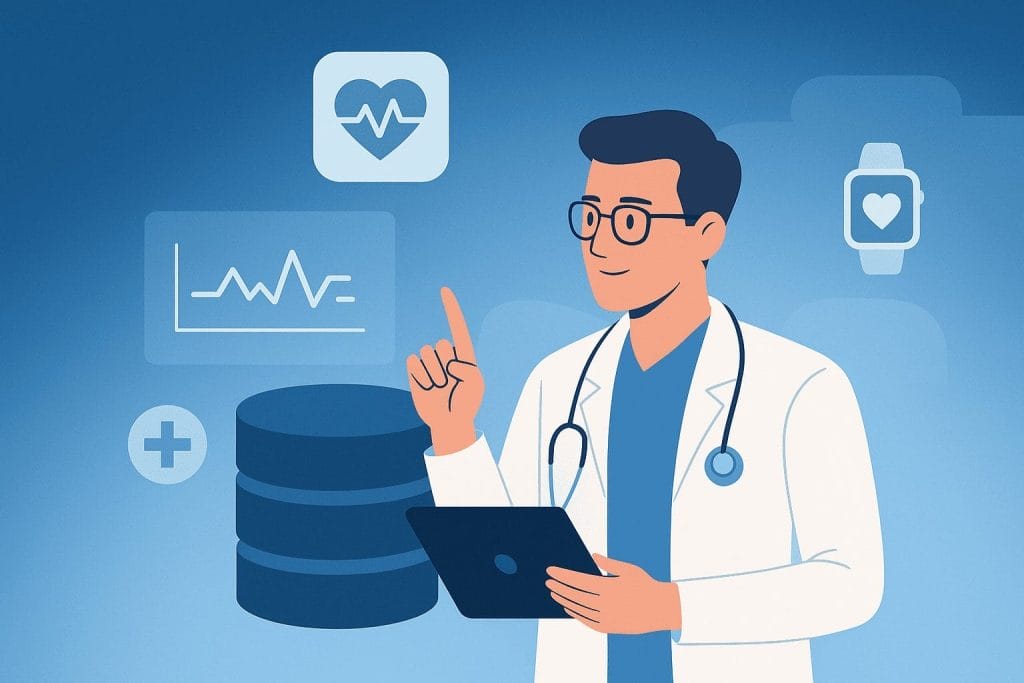
The Rising Tide of Healthcare Data
Healthcare now produces more data per day than most industries combined. Consider these sources:
-
Telemedicine sessions: each interaction generates video, audio, and clinical records.
-
Wearables and IoT devices: constant streams of heart rate, glucose levels, and sleep patterns.
-
AI-driven diagnostics: medical imaging, genetic data, and predictive models that require real-time analysis.
The result? Databases that were once sufficient for electronic health records (EHRs) now struggle to keep up with high-frequency, high-volume workloads.
What Happens When Databases Can’t Keep Up
Database strain in healthcare is more than an IT problem — it’s a patient safety and financial risk issue. Common consequences include:
-
Delayed treatment decisions: clinicians waiting on real-time data lose critical time in urgent cases.
-
Increased costs: overprovisioning servers to “fix” lagging systems drives up operational expenses.
-
Eroded trust: patients lose confidence when telemedicine sessions lag or wearable insights don’t sync.
When milliseconds can mean the difference in diagnosis or treatment, database latency is not just inconvenient — it’s dangerous.
Why Traditional Monitoring Tools Fall Short
Many healthcare organizations rely on legacy monitoring solutions. But these tools were designed for smaller, predictable workloads — not today’s streaming, AI-driven environment. They often:
-
Fail to identify the root causes of performance degradation.
-
Push IT teams to add more infrastructure instead of optimizing existing systems.
-
Create blind spots in hybrid or multi-cloud environments.
This leads to inefficiency and higher costs without solving the actual bottleneck.
How Enteros UpBeat Helps Healthcare Systems
Healthcare leaders need more than reactive monitoring — they need proactive, AI-driven performance management. This is where Enteros UpBeat makes a difference:
-
Root cause detection: quickly identifies performance issues across SQL, NoSQL, and cloud-native databases.
-
Scalability insights: ensures real-time data from telemedicine and wearables flows without interruption.
-
Cost optimization: reduces unnecessary infrastructure spend, aligning IT efficiency with financial goals.
-
Cross-platform visibility: supports hybrid, on-prem, and cloud deployments common in healthcare.
With Enteros, healthcare organizations can confidently scale innovation while safeguarding both patients and budgets.
The Bigger Picture: Data, Health, and Trust
The future of healthcare depends on the trustworthiness and responsiveness of digital systems. If patients and clinicians can’t rely on fast, accurate data, the promise of telemedicine and wearable-driven health insights may fall short.
High-performance databases are not just technical infrastructure — they are the backbone of reliable, affordable, and accessible healthcare in a digital-first world.
Conclusion
From telemedicine to wearables, the success of future healthcare will be defined by how well organizations manage their data infrastructure. Database strain is real, but with the right approach, it can be transformed into resilience and growth.
Enteros UpBeat equips healthcare systems with the tools to scale securely, cut costs, and — most importantly — deliver timely care when it matters most.
FAQ: Databases in the Future of Healthcare
1. Why are healthcare databases under more strain than other industries?
Healthcare generates data from multiple sources simultaneously — telemedicine, imaging, wearables, AI diagnostics. Unlike other sectors, much of this data must be processed in real time to support urgent medical decisions, making performance critical.
2. What risks do slow databases pose in telemedicine?
Lagging databases can delay video consultations, disrupt medical records syncing, and slow down diagnostic insights — all of which directly impact patient safety and trust.
3. Can legacy monitoring tools handle AI-driven healthcare workloads?
Most legacy tools were built for predictable, smaller workloads. They struggle with today’s streaming and high-frequency data, leading to blind spots and increased infrastructure costs.
4. How does Enteros UpBeat help healthcare organizations?
Enteros UpBeat uses AI-driven performance monitoring to detect root causes of database strain, improve scalability, cut unnecessary cloud costs, and ensure data flows smoothly across telemedicine and wearable systems.
The views expressed on this blog are those of the author and do not necessarily reflect the opinions of Enteros Inc. This blog may contain links to the content of third-party sites. By providing such links, Enteros Inc. does not adopt, guarantee, approve, or endorse the information, views, or products available on such sites.
Are you interested in writing for Enteros’ Blog? Please send us a pitch!
RELATED POSTS
How AIOps and FinOps Optimize Cloud Database Performance for Banking and BFSI
- 31 August 2026
- Database Performance Management
Introduction The banking and financial services industry is undergoing a significant transformation as institutions move critical workloads to cloud and hybrid-cloud environments. Digital banking applications, payment platforms, mobile banking, lending systems, insurance applications, fraud detection platforms, wealth management solutions, and financial analytics increasingly depend on scalable cloud infrastructure and high-performing databases. However, cloud adoption introduces … Continue reading “How AIOps and FinOps Optimize Cloud Database Performance for Banking and BFSI”
How to Optimize Media and Entertainment Database Performance with Enteros Database Software, AI-Powered Analytics, and Database Observability
- 30 August 2026
- Database Performance Management
Introduction The media and entertainment industry has become a digital-first business. Streaming services, digital publishing, online gaming content, advertising platforms, social experiences, content management systems, subscription platforms, and personalized recommendations all depend on databases. Modern media companies process enormous volumes of customer, content, advertising, transaction, and behavioral information. Read more”Indian Country” highlights Enteros and its … Continue reading “How to Optimize Media and Entertainment Database Performance with Enteros Database Software, AI-Powered Analytics, and Database Observability”
How to Optimize Manufacturing Database Performance with Enteros Database Software, AIOps, and Predictive Analytics
Introduction Manufacturing is becoming increasingly dependent on digital infrastructure. Modern factories use enterprise resource planning (ERP), manufacturing execution systems (MES), supply-chain platforms, warehouse management systems, industrial IoT, quality management applications, predictive maintenance, and advanced analytics to manage production. Behind these systems are databases processing enormous amounts of operational information. Production schedules, inventory levels, machine data, … Continue reading “How to Optimize Manufacturing Database Performance with Enteros Database Software, AIOps, and Predictive Analytics”
The Future of Industry-Specific Cloud Optimization with AIOps, FinOps, and AI-Powered Database Management
- 28 August 2026
- Database Performance Management
Introduction Cloud computing has become a foundational component of digital transformation across industries. Banking organizations use cloud platforms to support digital payments and online banking. Healthcare providers rely on cloud infrastructure for digital health applications and patient services. Educational institutions operate learning management systems and virtual classrooms in the cloud. Retailers, manufacturers, insurers, logistics providers, … Continue reading “The Future of Industry-Specific Cloud Optimization with AIOps, FinOps, and AI-Powered Database Management”