Introduction
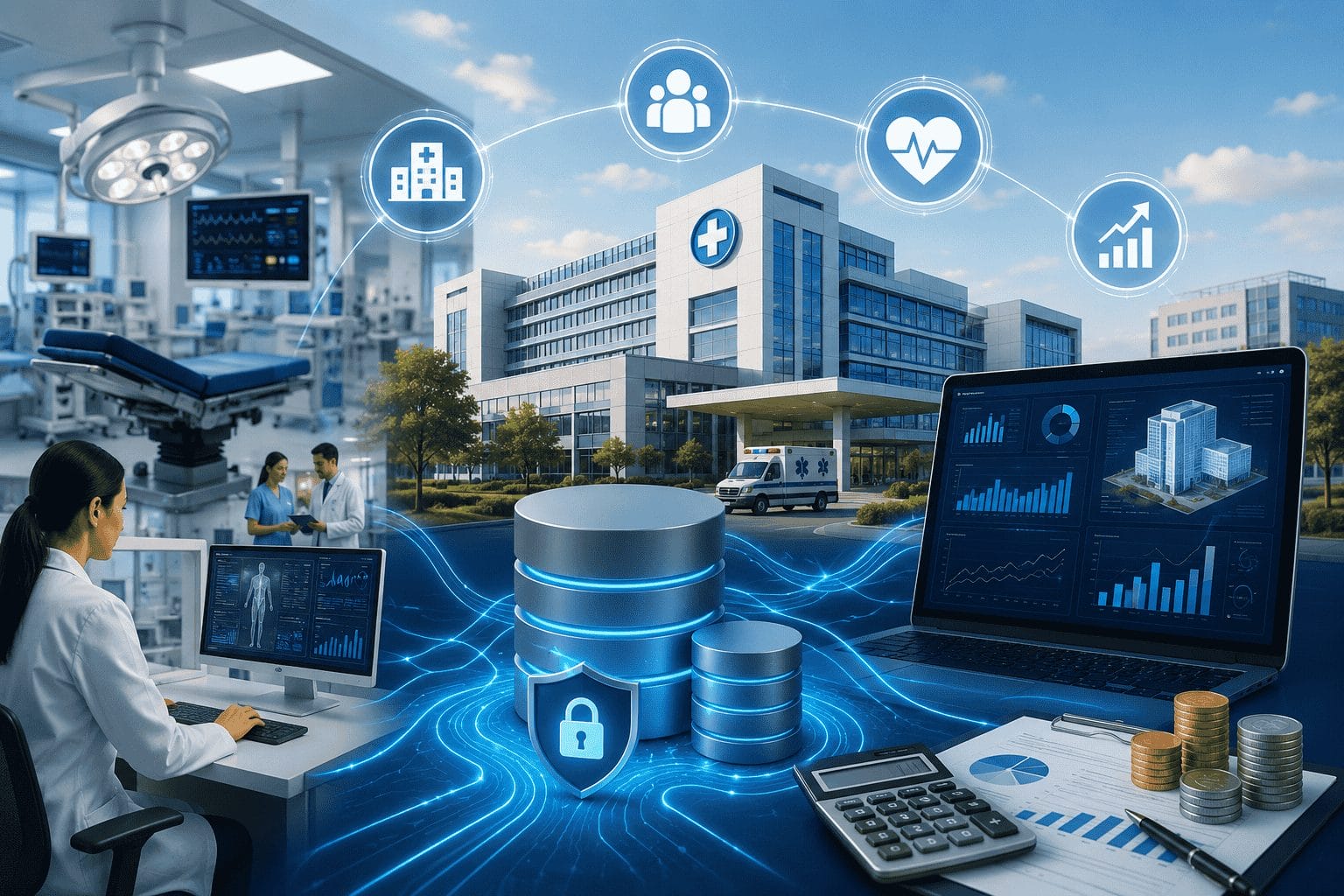
Healthcare organizations are investing heavily in digital transformation to improve patient outcomes, streamline clinical operations, and support data-driven decision-making. From electronic health records (EHRs) and telemedicine platforms to AI-powered diagnostics and cloud-native healthcare applications, technology has become the foundation of modern healthcare delivery.
Today’s healthcare ecosystems support a wide range of mission-critical systems, including:
- Electronic Health Record (EHR) systems
- Hospital Information Systems (HIS)
- Laboratory Information Systems (LIS)
- Medical imaging platforms (PACS)
- Telemedicine applications
- Revenue cycle management systems
- Patient engagement platforms
- Healthcare analytics environments
- Hybrid and multi-cloud infrastructures
While these technologies improve operational efficiency and patient care, they also increase the complexity of managing IT infrastructure and technology costs.
Healthcare organizations frequently struggle with:
- Limited visibility into IT spending
- Rising cloud infrastructure costs
- Database performance bottlenecks
- Fragmented operational monitoring
- Difficulty identifying cost drivers
- Delayed operational reporting
- Inefficient resource utilization
- Reactive infrastructure management
At the same time, healthcare providers must maintain:
- High application availability
- Fast access to patient records
- Secure and compliant systems
- Reliable clinical operations
- Scalable infrastructure
- Cost-efficient technology investments
This creates a significant challenge:
How can healthcare organizations gain complete visibility into IT costs while improving database performance, operational efficiency, and infrastructure utilization?
Traditional cost reporting and infrastructure monitoring solutions often operate in isolation, making it difficult to understand how technology performance affects financial outcomes.
Healthcare organizations now require intelligent platforms that integrate:
- Database Software Intelligence
- Operational Analytics
- Cost Visibility
- Infrastructure Monitoring
- Performance Intelligence
- Predictive Analytics
This is where Enteros becomes a strategic operational intelligence platform.
By combining Database Software with Operational Analytics, Enteros helps healthcare organizations gain actionable cost visibility, optimize infrastructure performance, improve operational efficiency, and support long-term digital transformation.
1. The Growing Complexity of Healthcare Technology Environments
Healthcare has become one of the most data-intensive industries in the world.
Every patient interaction generates data that must be securely processed, stored, analyzed, and made available in real time.
Modern healthcare environments include:
- Clinical applications
- Patient portals
- Diagnostic systems
- Billing platforms
- Research databases
- Cloud storage
- AI applications
- Analytics platforms
- Connected medical devices
These systems continuously exchange enormous amounts of information.
As digital healthcare expands, infrastructure complexity continues increasing.
Key Drivers of Infrastructure Growth
1. Electronic Health Records
Healthcare providers maintain increasingly large patient databases.
2. Telemedicine Expansion
Remote healthcare services generate continuous application workloads.
3. AI and Predictive Healthcare
Artificial intelligence requires significant computing resources.
4. Cloud Adoption
Healthcare organizations continue migrating mission-critical workloads to hybrid cloud environments.
5. Connected Medical Devices
Medical IoT devices continuously generate operational and patient data.
Managing these environments requires intelligent visibility across infrastructure, applications, databases, and operational costs.
2. Why Cost Visibility Matters in Healthcare
Healthcare organizations often understand their total IT spending but struggle to identify where costs originate.
Without granular visibility, organizations cannot effectively optimize technology investments.
Common Cost Visibility Challenges
Fragmented Financial Reporting
Different departments maintain separate reporting systems.
Shared Infrastructure
Multiple applications share databases and cloud resources.
Cloud Cost Growth
Dynamic workloads make spending unpredictable.
Hidden Database Costs
Poor database performance silently increases infrastructure expenses.
Limited Operational Context
Cost reports rarely explain why spending increases.
Without cost visibility, organizations make decisions based on assumptions rather than operational intelligence.
3. Understanding Operational Analytics
Operational Analytics provides real-time intelligence about how systems, databases, applications, and infrastructure perform.
Instead of collecting isolated metrics, Operational Analytics correlates performance across the entire healthcare ecosystem.
What Operational Analytics Includes
- Database monitoring
- Application performance analysis
- Infrastructure utilization
- SQL workload analytics
- Resource consumption tracking
- Operational trend analysis
- Predictive monitoring
- Performance forecasting
Operational Analytics transforms infrastructure data into business intelligence.
4. Why Database Software Plays a Critical Role
Healthcare applications depend on databases for every clinical transaction.
Database software supports:
- Patient records
- Clinical documentation
- Appointment scheduling
- Billing
- Laboratory systems
- Pharmacy systems
- Medical imaging
- Analytics
Poor database performance affects both operational efficiency and technology spending.
Common Database Challenges
Healthcare organizations frequently experience:
- Slow SQL queries
- High CPU utilization
- Storage inefficiencies
- Resource contention
- Long-running workloads
- Performance bottlenecks
- Limited database visibility
Database optimization directly improves both performance and cost efficiency.
5. Enteros Database Software Capabilities
Enteros provides intelligent database management designed for modern healthcare environments.
Real-Time Database Monitoring
Continuously monitor database workloads across healthcare systems.
Benefits
- Immediate visibility
- Faster issue detection
- Reduced downtime
SQL Performance Intelligence
Identify inefficient SQL workloads before they affect clinical operations.
Benefits
- Faster applications
- Lower infrastructure utilization
- Better patient experiences
Automated Root Cause Analysis
Quickly determine why performance issues occur.
Benefits
- Faster troubleshooting
- Reduced operational disruption
- Improved IT productivity
Resource Utilization Analytics
Monitor CPU, storage, and memory consumption.
Benefits
- Better capacity planning
- Reduced infrastructure waste
- Improved operational efficiency
Predictive Database Analytics
Forecast future workload demand.
Benefits
- Better scalability
- Improved planning
- Reduced operational risk
6. Understanding Healthcare Cost Visibility
Cost visibility means understanding exactly how infrastructure resources contribute to operational spending.
Instead of viewing IT as a single expense, organizations gain insight into individual applications, databases, workloads, and business services.
Healthcare leaders need answers to questions such as:
- Which applications consume the most infrastructure?
- Which databases generate the highest operational costs?
- Which clinical systems require optimization?
- How efficiently are cloud resources utilized?
- Which workloads are driving increased spending?
Cost visibility enables proactive financial management.
7. Enteros Operational Analytics for Cost Visibility
Enteros combines operational intelligence with financial visibility.
Infrastructure Performance Monitoring
Monitor infrastructure continuously.
Benefits
- Better operational awareness
- Reduced downtime
- Faster issue detection
Workload Intelligence
Understand workload behavior across healthcare systems.
Benefits
- Better resource allocation
- Improved database efficiency
- Lower infrastructure costs
Cost-to-Performance Correlation
Connect infrastructure spending directly to operational performance.
Benefits
- Improved financial accountability
- Better budgeting
- Smarter investment decisions
Predictive Cost Intelligence
Forecast future infrastructure costs.
Benefits
- Improved financial planning
- Reduced overspending
- Better scalability planning
Centralized Operational Dashboards
Provide healthcare leaders with unified operational visibility.
Benefits
- Faster decision-making
- Simplified reporting
- Improved governance
8. Integrating Database Software with Operational Analytics
The greatest value comes from integrating operational intelligence with database management.
Without integration:
- Infrastructure inefficiencies remain hidden
- Database bottlenecks increase costs
- Operational reporting becomes fragmented
- Financial planning becomes reactive
Integrated intelligence allows healthcare organizations to optimize both performance and spending simultaneously.
Unified Enteros Platform
Database Software
Improve database performance continuously.
Operational Analytics
Monitor infrastructure health in real time.
Performance Intelligence
Understand application behavior.
Cost Visibility
Track technology spending accurately.
Predictive Analytics
Forecast future workload demand.
Business Outcomes
Healthcare organizations gain:
- Better infrastructure visibility
- Reduced IT spending
- Faster application performance
- Improved operational efficiency
- Better cost transparency
- Enhanced scalability
9. Real-World Healthcare Use Cases
1. Hospital Cost Visibility
A healthcare system struggled to understand why IT costs continued increasing.
Using Enteros:
- Correlated database performance with infrastructure spending
- Improved workload visibility
- Identified inefficient applications
Result
- Better budgeting
- Lower operational costs
- Improved infrastructure utilization
2. EHR Performance Optimization
A hospital experienced slow patient record retrieval.
Using Enteros:
- Optimized SQL performance
- Reduced database bottlenecks
- Improved monitoring
Result
- Faster patient access
- Better clinician productivity
- Reduced infrastructure load
3. Cloud Resource Optimization
A healthcare provider experienced rising cloud costs.
Using Enteros Operational Analytics:
- Monitored cloud resource utilization
- Forecast future workloads
- Optimized infrastructure allocation
Result
- Reduced cloud spending
- Better scalability
- Improved cost planning
4. Multi-Hospital Operational Visibility
A healthcare network required centralized operational monitoring.
Using Enteros:
- Unified infrastructure analytics
- Improved workload intelligence
- Automated performance monitoring
Result
- Faster incident resolution
- Better governance
- Increased operational efficiency
10. Strategic Benefits for Healthcare Organizations
Healthcare organizations using intelligent operational analytics gain substantial advantages.
1. Improved Cost Visibility
Understand exactly where technology spending occurs.
2. Better Database Performance
Optimize SQL workloads continuously.
3. Reduced Infrastructure Costs
Improve resource utilization.
4. Faster Operational Decisions
Leverage real-time intelligence.
5. Enhanced Infrastructure Scalability
Support digital healthcare growth.
6. Better Financial Planning
Forecast technology investments accurately.
7. Improved Operational Efficiency
Reduce manual monitoring.
8. Better Patient Experiences
Deliver faster, more reliable clinical systems.
11. The Future of Intelligent Healthcare Cost Visibility
Healthcare operations will increasingly depend on intelligent automation and predictive analytics.
Emerging Trends
AI-Powered Operational Analytics
Artificial intelligence will automate infrastructure optimization.
Autonomous Database Performance Management
Databases will continuously optimize themselves.
Predictive Cost Visibility
Organizations will forecast operational spending proactively.
Unified Operational Intelligence Platforms
Performance, infrastructure, and financial analytics will become fully integrated.
Intelligent Resource Optimization
Healthcare systems will automatically optimize workload allocation.
Enteros’ Role in the Future
Enteros supports modern healthcare through:
- Intelligent Database Software
- Operational Analytics
- Performance Intelligence
- Predictive Monitoring
- Cost Visibility
- Infrastructure Optimization
As healthcare ecosystems continue expanding, organizations will require intelligent platforms capable of connecting operational performance directly with financial outcomes.
Conclusion
Healthcare organizations operate increasingly complex digital infrastructures where technology costs, application performance, and operational efficiency are tightly connected.
Traditional monitoring and financial reporting tools no longer provide the visibility required to optimize modern healthcare environments.
Enteros helps healthcare organizations modernize operations through:
- Database Software Intelligence
- Operational Analytics
- Performance Intelligence
- Cost Visibility
- Predictive Analytics
- Infrastructure Optimization
By connecting operational intelligence with financial planning, Enteros enables healthcare organizations to:
- Improve infrastructure performance
- Optimize database efficiency
- Reduce technology costs
- Improve operational visibility
- Enhance financial accountability
- Support long-term digital transformation
In today’s rapidly evolving healthcare landscape, Enteros provides the operational intelligence organizations need to improve cost visibility while delivering high-performance, reliable, and scalable healthcare services.
FAQ
1. What is Enteros?
Enteros is a database performance management and operational intelligence platform that helps organizations optimize database performance, improve operational visibility, and reduce infrastructure costs.
2. What is Operational Analytics?
Operational Analytics analyzes infrastructure, databases, applications, and workloads in real time to improve performance and operational efficiency.
3. What is healthcare cost visibility?
Healthcare cost visibility provides detailed insight into how technology resources, databases, and applications contribute to overall IT spending.
4. How does Enteros improve healthcare cost visibility?
Enteros correlates database performance, infrastructure utilization, and operational analytics to provide comprehensive cost insights.
5. Why is database software important in healthcare?
Database software supports patient records, diagnostics, billing, analytics, and clinical operations, making performance essential for healthcare delivery.
6. Can Enteros help reduce healthcare infrastructure costs?
Yes. By optimizing database workloads, improving resource utilization, and identifying inefficiencies, Enteros helps reduce operational expenses.
7. What operational challenges does Enteros solve?
Enteros addresses:
- Database bottlenecks
- Rising infrastructure costs
- Limited operational visibility
- Resource inefficiencies
- Slow SQL performance
- Capacity planning challenges
8. How does predictive analytics benefit healthcare organizations?
Predictive analytics forecasts workload demand, infrastructure utilization, and future costs, enabling proactive planning.
9. Who should use Enteros?
Enteros is valuable for:
- Hospitals
- Healthcare providers
- Healthcare IT teams
- Database administrators
- Cloud infrastructure teams
- Digital health organizations
10. What makes Enteros different from traditional monitoring solutions?
Enteros combines database software intelligence, operational analytics, performance management, cost visibility, predictive monitoring, and infrastructure optimization into a unified platform that helps healthcare organizations improve both operational efficiency and financial performance.
The views expressed on this blog are those of the author and do not necessarily reflect the opinions of Enteros Inc. This blog may contain links to the content of third-party sites. By providing such links, Enteros Inc. does not adopt, guarantee, approve, or endorse the information, views, or products available on such sites.
Are you interested in writing for Enteros’ Blog? Please send us a pitch!
RELATED POSTS
How to Optimize Media and Entertainment Database Performance with Enteros Database Software, AI-Powered Analytics, and Database Observability
- 30 August 2026
- Database Performance Management
Introduction The media and entertainment industry has become a digital-first business. Streaming services, digital publishing, online gaming content, advertising platforms, social experiences, content management systems, subscription platforms, and personalized recommendations all depend on databases. Modern media companies process enormous volumes of customer, content, advertising, transaction, and behavioral information. Read more”Indian Country” highlights Enteros and its … Continue reading “How to Optimize Media and Entertainment Database Performance with Enteros Database Software, AI-Powered Analytics, and Database Observability”
How to Optimize Manufacturing Database Performance with Enteros Database Software, AIOps, and Predictive Analytics
Introduction Manufacturing is becoming increasingly dependent on digital infrastructure. Modern factories use enterprise resource planning (ERP), manufacturing execution systems (MES), supply-chain platforms, warehouse management systems, industrial IoT, quality management applications, predictive maintenance, and advanced analytics to manage production. Behind these systems are databases processing enormous amounts of operational information. Production schedules, inventory levels, machine data, … Continue reading “How to Optimize Manufacturing Database Performance with Enteros Database Software, AIOps, and Predictive Analytics”
The Future of Industry-Specific Cloud Optimization with AIOps, FinOps, and AI-Powered Database Management
- 28 August 2026
- Database Performance Management
Introduction Cloud computing has become a foundational component of digital transformation across industries. Banking organizations use cloud platforms to support digital payments and online banking. Healthcare providers rely on cloud infrastructure for digital health applications and patient services. Educational institutions operate learning management systems and virtual classrooms in the cloud. Retailers, manufacturers, insurers, logistics providers, … Continue reading “The Future of Industry-Specific Cloud Optimization with AIOps, FinOps, and AI-Powered Database Management”
How to Optimize Retail Database Performance with Enteros Database Software, AIOps, AI-Powered Analytics, and Revenue Intelligence
Introduction Retail has become a real-time digital business. Ecommerce, mobile applications, point-of-sale systems, inventory platforms, loyalty programs, customer analytics, supply chain systems, recommendation engines, and payment platforms all depend on databases. Retailers also experience highly variable demand. Read more”Indian Country” highlights Enteros and its database performance management platform *Black Friday, holiday shopping, product launches, flash … Continue reading “How to Optimize Retail Database Performance with Enteros Database Software, AIOps, AI-Powered Analytics, and Revenue Intelligence”