Introduction
Global logistics is the invisible backbone of modern commerce. Every package delivered, every truck dispatched, and every shipment tracked relies on the seamless flow of data. Yet, as supply chains become more digitized, one critical factor often gets overlooked: the performance of the databases powering these systems.
When databases slow down, logistics networks face delays, rising costs, and missed customer commitments. This article explores how database performance impacts logistics — and what leaders must do to ensure resilient, efficient supply chains.
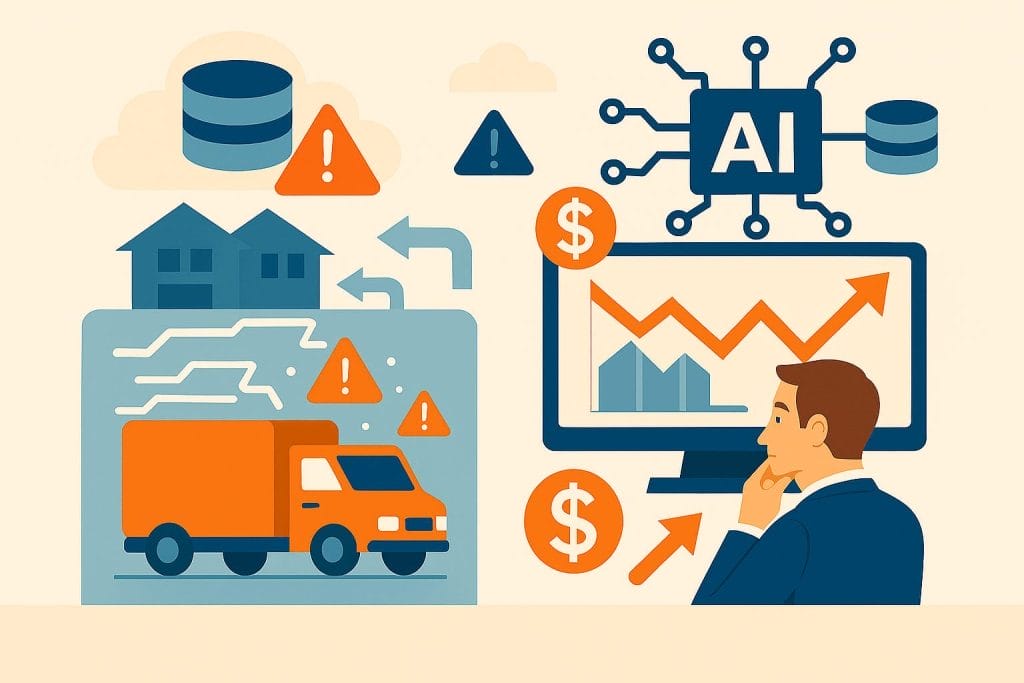
Why Real-Time Data Matters in Logistics
In logistics, every second counts. Real-time insights enable companies to:
-
Track shipments across borders with accuracy.
-
Optimize fleet routes to save fuel and time.
-
Respond quickly to disruptions like weather or port congestion.
-
Update customers instantly on order status.
Without reliable, high-performance databases, these processes stall — leaving decision-makers blind to emerging risks.
he Cost of Database Slowdowns
When logistics systems experience latency or outages, the ripple effect is costly. Common issues include:
-
Delays in shipment tracking → dissatisfied customers and lost contracts.
-
Inefficient routing → higher fuel usage and labor costs.
-
Inventory mismatches → stockouts or overstocking across distribution centers.
-
Increased IT spend → overprovisioning servers to mask performance problems.
For global supply chains, even a few minutes of downtime can translate into millions of dollars in losses.
Why Traditional Monitoring Tools Fall Short
Many logistics companies rely on legacy monitoring tools that were never designed for today’s real-time, high-volume workloads. These tools often:
-
Miss the root cause of performance issues.
-
Push IT teams to add more infrastructure instead of fixing bottlenecks.
-
Struggle with hybrid and multi-cloud environments common in logistics tech.
As a result, companies spend more while still facing unpredictable downtime.
How Enteros UpBeat Supports Logistics Efficiency
To keep supply chains agile, logistics leaders need AI-driven, proactive database performance management. Enteros UpBeat provides:
-
Root cause detection to resolve performance issues before they impact operations.
-
Scalability insights to handle spikes in order volumes or seasonal peaks.
-
Cost optimization by preventing unnecessary overprovisioning.
-
Cross-platform visibility across SQL, NoSQL, and cloud-native databases.
With Enteros, logistics companies can move beyond firefighting and focus on growth, efficiency, and customer satisfaction.
The Bigger Picture
As supply chains become more digital and interconnected, database performance will define who leads and who lags behind. High-performance databases are no longer just a technical requirement — they are a strategic asset for reducing costs, improving customer trust, and ensuring resilience in a volatile world.
Conclusion
Database slowdowns in logistics are not a minor inconvenience — they are a direct threat to operational efficiency and profitability. By adopting proactive performance management, companies can secure their supply chains, cut costs, and deliver with confidence.
Enteros UpBeat helps logistics leaders achieve this by ensuring their databases stay fast, scalable, and cost-efficient — even under the heaviest pressure.
FAQ: Database Performance in Logistics
Q1. Why is logistics especially sensitive to database performance issues?
Logistics runs in real time — routes, warehouses, and customers all depend on instant data processing. Any database slowdown creates a chain reaction of failures, from inaccurate order statuses to disruptions across entire transport networks.
Q2. Can’t companies just add more servers to solve performance problems?
While adding infrastructure can temporarily mask bottlenecks, it drives costs up without addressing the root cause. Over time, inefficiencies compound, leading to higher spend and recurring downtime.
Q3. How is Enteros different from traditional monitoring tools?
Legacy monitoring tools often detect symptoms but miss the underlying cause. Enteros UpBeat uses AI-driven analytics to pinpoint and fix issues before they escalate, reducing downtime, infrastructure costs, and IT team workload.
Q4. What types of databases does Enteros UpBeat support?
The platform supports a wide range: relational databases (Oracle, SQL Server, MySQL), NoSQL (MongoDB, Cassandra), as well as modern analytics and cloud-native databases (Snowflake, AWS RDS, and more).
Q5. How quickly can the system be implemented?
Most organizations deploy UpBeat in just a few days through its SaaS model. Actionable insights on optimization typically appear within the first week.
Q6. Does it really help reduce costs?
Yes. By preventing overprovisioning and eliminating inefficient queries, Enteros customers achieve measurable savings on licenses, cloud credits, and IT labor.
The views expressed on this blog are those of the author and do not necessarily reflect the opinions of Enteros Inc. This blog may contain links to the content of third-party sites. By providing such links, Enteros Inc. does not adopt, guarantee, approve, or endorse the information, views, or products available on such sites.
Are you interested in writing for Enteros’ Blog? Please send us a pitch!
RELATED POSTS
How AIOps and FinOps Optimize Cloud Database Performance for Banking and BFSI
- 31 August 2026
- Database Performance Management
Introduction The banking and financial services industry is undergoing a significant transformation as institutions move critical workloads to cloud and hybrid-cloud environments. Digital banking applications, payment platforms, mobile banking, lending systems, insurance applications, fraud detection platforms, wealth management solutions, and financial analytics increasingly depend on scalable cloud infrastructure and high-performing databases. However, cloud adoption introduces … Continue reading “How AIOps and FinOps Optimize Cloud Database Performance for Banking and BFSI”
How to Optimize Media and Entertainment Database Performance with Enteros Database Software, AI-Powered Analytics, and Database Observability
- 30 August 2026
- Database Performance Management
Introduction The media and entertainment industry has become a digital-first business. Streaming services, digital publishing, online gaming content, advertising platforms, social experiences, content management systems, subscription platforms, and personalized recommendations all depend on databases. Modern media companies process enormous volumes of customer, content, advertising, transaction, and behavioral information. Read more”Indian Country” highlights Enteros and its … Continue reading “How to Optimize Media and Entertainment Database Performance with Enteros Database Software, AI-Powered Analytics, and Database Observability”
How to Optimize Manufacturing Database Performance with Enteros Database Software, AIOps, and Predictive Analytics
Introduction Manufacturing is becoming increasingly dependent on digital infrastructure. Modern factories use enterprise resource planning (ERP), manufacturing execution systems (MES), supply-chain platforms, warehouse management systems, industrial IoT, quality management applications, predictive maintenance, and advanced analytics to manage production. Behind these systems are databases processing enormous amounts of operational information. Production schedules, inventory levels, machine data, … Continue reading “How to Optimize Manufacturing Database Performance with Enteros Database Software, AIOps, and Predictive Analytics”
The Future of Industry-Specific Cloud Optimization with AIOps, FinOps, and AI-Powered Database Management
- 28 August 2026
- Database Performance Management
Introduction Cloud computing has become a foundational component of digital transformation across industries. Banking organizations use cloud platforms to support digital payments and online banking. Healthcare providers rely on cloud infrastructure for digital health applications and patient services. Educational institutions operate learning management systems and virtual classrooms in the cloud. Retailers, manufacturers, insurers, logistics providers, … Continue reading “The Future of Industry-Specific Cloud Optimization with AIOps, FinOps, and AI-Powered Database Management”